

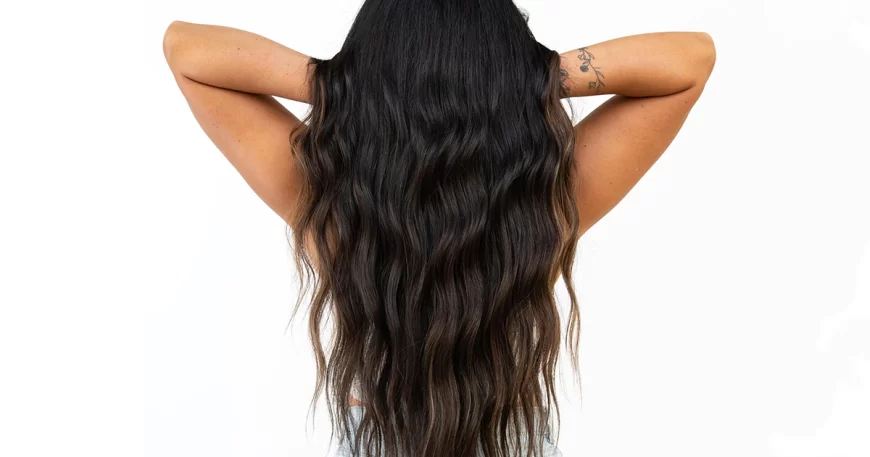
Introduction: Struggling With Thinning Hair? You’re Not Alone
Hair thinning is more common than you might think. Whether it’s stress, aging, or genetics, millions of people—especially women—face the challenge of reduced hair volume. But here’s the good news: you don’t need to wait months or go under the knife to get your confidence back. Hair extensions for thinning hair are a non-surgical, instant solution to help you look and feel your best.
But not all extensions are created equal—especially if your hair is thin or fragile. That’s why we’ve compiled this expert-backed guide to help you choose the best hair extensions for thinning hair.
Why Hair Extensions Are a Game-Changer for Thin Hair
Hair extensions do more than just add length—they can bring back volume, improve texture, and even help you experiment with styles you’ve been avoiding. For those dealing with thinning or fine hair, the right type of extensions can camouflage problem areas without damaging your natural strands.
Top 5 Hair Extensions Recommended by Experts for Thinning Hair
1. Tape-In Hair Extensions – Lightweight & Virtually Undetectable
Why experts recommend it:
Tape-ins are ultra-thin, lightweight, and lay flat against the scalp. They’re less stressful on thinning hair and easy to apply.
Best for:
Women with thinning hair at the crown or sides.
Pros:
- Reusable
- Quick to apply
- No heat or tools required
Cons:
- Needs regular salon maintenance
- Oil-based products may weaken the adhesive
2. Halo Hair Extensions – The Non-Committal Option
Why experts recommend it:
Halo extensions sit on your head like a headband, without clips, glue, or tape. They’re perfect for those who want extra volume without any risk.
Best for:
Beginners or those with fragile scalps.
Pros:
- Zero damage
- Easy to wear and remove
- Adjustable and reusable
Cons:
- Not suitable for very short hair
- Can slip if not worn correctly
3. Clip-In Hair Extensions – Great for Occasional Use
Why experts recommend it:
Clip-ins are an excellent short-term option that you can remove daily. They’re customizable and can add thickness where you need it.
Best for:
Special occasions or temporary volume boost.
Pros:
- Affordable
- DIY-friendly
- Easy to apply and style
Cons:
- Can tug on thin hair if not clipped properly
- Not ideal for everyday wear
4. Nano Ring Hair Extensions – Gentle Yet Secure
Why experts recommend it:
Nano rings are 90% smaller than traditional micro-links. They don’t require glue or heat, making them perfect for fine hair.
Best for:
Thinning hair in localized areas with enough base hair for attachment.
Pros:
- No chemicals or adhesives
- Long-lasting (up to 3 months)
- Discreet and lightweight
Cons:
- Requires a professional for application
- Regular maintenance needed
5. Skin Weft Extensions – Seamless Blend for Thinner Hair
Why experts recommend it:
These tape-in extensions are attached to a skin-like base, blending perfectly with your scalp and hairline.
Best for:
Achieving a natural look near the parting or hairline.
Pros:
- Looks very natural
- Comfortable and secure
- Great for sensitive scalps
Cons:
- Needs reinstallation every 6–8 weeks
- Professional application recommended
What to Avoid: Hair Extensions That Can Damage Thin Hair
Not all extensions are suitable for everyone. If you have fine or thinning hair, avoid the following methods:
- Glue-In Extensions: Can pull on weak hair and cause traction alopecia
- Sew-In Extensions (Weaves): Heavier and require tightly braided hair as a base
- Fusion/Bonded Extensions: Use heat or keratin, which can damage fragile strands
Expert Tips for Choosing Hair Extensions for Thin Hair
 Consult a Professional Stylist
Always go for a consultation to assess your hair’s strength and suitability before applying any type of extensions.
Prioritize Lightweight Options
The lighter the extension, the less stress on your scalp and hair.
Match Texture and Color
For the most natural look, choose extensions that match your hair’s texture and tone.
Invest in High-Quality Human Hair
Remy or virgin human hair extensions blend better and last longer.
How to Maintain Hair Extensions on Thin Hair
Proper care is key to making your investment last:
- Use sulfate-free, extension-friendly shampoos
- Avoid excessive heat styling
- Sleep with your hair braided or in a silk bonnet
- Schedule regular touch-ups and repositioning sessions
Non-Surgical Hair Replacement vs. Hair Extensions – What’s Better for Thin Hair?
If your hair thinning is more severe (like bald spots or alopecia), extensions may not provide the right coverage. In such cases, non-surgical hair replacement systems, like hair patches or custom wigs, are safer and more effective. These systems are:
- Adhesive-based
- Customizable to your scalp
- Breathable and natural-looking
A stylist can help you determine whether a hair patch or extensions suit your needs better.
Conclusion: The Right Extensions Can Change Everything
Hair extensions are no longer just a luxury—they’re a lifeline for people with thinning hair. But it’s essential to choose wisely. From tape-ins to nano rings, there are plenty of damage-free, natural-looking options that professionals swear by.
If you’re dealing with thin, fine, or lifeless hair, the right hair extensions can make a world of difference—not just in your appearance, but in your confidence, too. So talk to a trusted stylist, pick the best method for your needs, and get ready to turn heads!
FAQs: Best Hair Extensions for Thinning Hair
Q1: Are hair extensions safe for thinning hair?
Yes, if chosen and applied properly. Opt for lightweight, non-damaging options like tape-ins or halos.
Q2: Will hair extensions make my hair thinner over time?
Not if maintained correctly. Poor application or heavy extensions can cause damage, so always consult a professional.
Q3: Can I sleep with hair extensions?
With semi-permanent extensions, yes. Just braid your hair or wear a silk cap to reduce tangling.
Q4: How long do tape-in extensions last for thin hair?
Typically 6–8 weeks before they need to be reapplied or repositioned.
Q5: Which is better for very thin hair—hair extensions or a hair patch?
If there’s not enough base hair to attach extensions, a non-surgical hair replacement (patch) may be the better solution.

